The article further highlights the key causes and risk factors of poor sleep and its widespread impact on overall health. It also presents practical, evidence-based strategies to improve sleep quality and sleep hygiene, empowering individuals to achieve restorative sleep and long-term wellness.
Sleep is a cornerstone of human health, yet it is often overlooked in daily life. Adequate, restorative sleep is essential for physical health, mental well-being, and cognitive performance. According to the Centres for Disease Control and Prevention (CDC, 2023), more than one-third of adults worldwide are not getting enough sleep, contributing to chronic illnesses, impaired productivity, and reduced quality of life.
This guide explores the fundamentals of sleep health, common sleep disorders, their global impact, and practical strategies for improving sleep quality. By drawing on authoritative research from global organisations, this article provides actionable insights for individuals, healthcare professionals, and communities seeking to improve sleep outcomes.
Understanding Sleep and Its Importance
Sleep is a dynamic and active process, not merely a period of rest. It plays a vital role in physical restoration, cognitive function, and emotional balance. Chronic sleep deprivation increases the risk of cardiovascular diseases, diabetes, obesity, and mental health disorders.
The Sleep Cycle and Stages
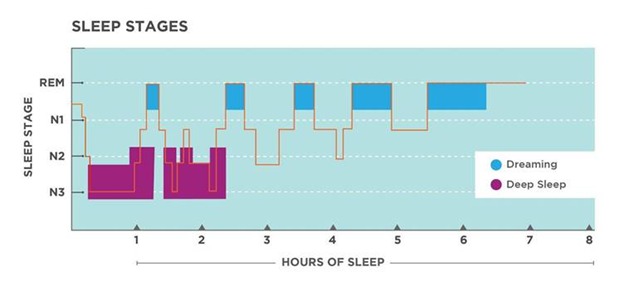
Human sleep occurs in two primary categories: Non-Rapid Eye Movement (NREM) sleep and Rapid Eye Movement (REM) sleep. Each serves unique functions in restoring the body and mind.
NREM Sleep: NREM sleep accounts for approximately 75-80% of total sleep and is further divided into three stages:
- Stage 1 (Light Sleep): Transition between wakefulness and sleep; muscles relax, heart rate slows, and the body prepares for deeper rest.
- Stage 2 (Deeper light sleep): where body temperature drops, and the brain begins to reduce activity.
- Stage 3 (Deep Sleep or Slow-Wave Sleep): Critical for tissue repair, growth, immune function, and restoring energy.
REM Sleep: REM sleep occurs cyclically after NREM stages and accounts for about 20-25% of total sleep. This stage is essential for learning, memory consolidation, and emotional regulation, and is characterised by rapid eye movements, vivid dreaming, and increased brain activity.
Disruption in any stage of NREM or REM sleep can result in daytime fatigue, reduced cognitive performance, and long-term health consequences.
Source: University of Central Florida
Benefits of Adequate Sleep
Consistent, quality sleep offers numerous advantages:
- Enhanced cognitive performance: Improves memory retention, attention, and decision-making.
- Emotional stability: Reduces stress, anxiety, and risk of depression.
- Physical health: Regulates metabolism, strengthens the immune system, and lowers the risk of chronic disease.
Understanding these benefits provides a foundation for recognising why sleep health must be prioritised both individually and at a societal level.
Recognising the importance of sleep sets the stage for understanding what happens when sleep is disrupted, leading us to the most common sleep disorders affecting populations worldwide.
Common Sleep Disorders, Their Global Impact, and the Growing Role of AI
Sleep disorders affect millions globally, with a growing prevalence due to lifestyle changes, stress, and medical conditions. Early identification and management are critical to prevent long-term health consequences.
Artificial intelligence is increasingly supporting sleep research, monitoring, and clinical assessment by helping healthcare professionals analyse sleep data and identify patterns associated with sleep-related conditions.
Insomnia
Insomnia, the inability to fall or stay asleep, affects 10-30% of adults worldwide. Chronic insomnia can lead to daytime fatigue, cognitive impairment, and elevated risks of anxiety and depression.
Artificial intelligence is being explored to analyse sleep patterns, EEG signals, and behavioural sleep data to support the identification and assessment of insomnia-related sleep disturbances.
Sleep Apnea
Sleep apnea involves repeated pauses in breathing during sleep, causing fragmented rest and oxygen deprivation. This disorder is strongly linked to cardiovascular disease, hypertension, and daytime sleepiness, impacting over 1 billion people globally.
Artificial intelligence is increasingly being used to analyse respiratory signals, wearable device data, and sleep studies to support earlier detection and screening of obstructive sleep apnoea.
Restless Legs Syndrome
Restless legs syndrome (RLS) creates uncomfortable sensations in the legs, leading to difficulty falling asleep. Though less prevalent than insomnia or sleep apnoea, RLS significantly reduces sleep quality and overall well-being.
Researchers are exploring artificial intelligence and machine learning models to analyse neurological activity, wearable data, and symptom patterns associated with restless legs syndrome and related sleep disturbances.
Narcolepsy
Narcolepsy is a neurological disorder characterised by excessive daytime sleepiness and sudden sleep attacks. While rare, untreated narcolepsy can affect productivity, safety, and mental health.
Artificial intelligence is helping researchers analyse polysomnography data and identify sleep-related biomarkers that may support improved recognition and assessment of narcolepsy and other hypersomnolence disorders.
Understanding the types of sleep disorders highlights the need to explore their underlying causes and risk factors, which can guide strategies for improving sleep quality and support earlier identification of sleep-related health concerns.
The growing role of artificial intelligence is further enhancing sleep research and clinical assessment by helping analyse sleep data, identify patterns, and support advances in sleep health monitoring and care.
Causes and Risk Factors of Poor Sleep
Several interrelated factors contribute to insufficient or disrupted sleep. Identifying these elements is essential for effective intervention.
Lifestyle and Behavioural Factors
Modern lifestyles are major contributors to poor sleep:
- Prolonged screen time before bed
- Irregular sleep schedules
- Excessive caffeine or alcohol consumption
- Sedentary behaviour
Medical Conditions
Chronic illnesses, including depression, anxiety, chronic pain, and respiratory disorders, often interfere with sleep. This can create a vicious cycle, where poor sleep exacerbates underlying medical problems.
Environmental Factors
Noise, light pollution, and uncomfortable sleep environments are globally recognised causes of poor sleep. Addressing these factors is often a simple yet effective first step toward improving sleep health.
Identifying causes of sleep disruption naturally leads to solutions. By adopting evidence-based strategies, individuals can enhance sleep quality and restore overall health.
Strategies for Improving Sleep Health
Improving sleep health involves a combination of lifestyle modifications, environmental adjustments, and behavioural practices.
Consistent Sleep Schedule
Maintaining a regular sleep and wake time helps regulate the circadian rhythm and improves both sleep quality and duration. Consistency is essential, even on weekends or holidays.
Optimising the Sleep Environment
- Keep bedrooms dark, quiet, and cool
- Use comfortable bedding and pillows
- Limit exposure to screens and bright lights before bedtime
Mindfulness and Relaxation Techniques
Meditation, deep breathing, and progressive muscle relaxation reduce stress and help the body transition into sleep. These techniques are particularly effective for individuals suffering from insomnia.
Healthy Lifestyle Choices
- Engage in regular physical activity to support sleep quality
- Avoid caffeine, alcohol, and heavy meals close to bedtime
- Get natural daylight during the day to reinforce the circadian rhythm
As awareness of sleep health grows, global trends demonstrate how both individuals and societies are prioritising restorative sleep for long-term wellness.
Global Trends and Awareness in Sleep Health
Worldwide, sleep health is increasingly recognised as a public health priority. Governments, workplaces, and educational institutions are implementing initiatives to improve sleep quality and address chronic sleep deprivation.
- Sleep education campaigns promote awareness of sleep disorders and healthy sleep practices.
- Workplaces are adopting flexible schedules, nap policies, and wellness programs to enhance employee productivity.
- Sleep-tracking technologies and digital therapeutics are providing personalised guidance to improve sleep patterns.
Research suggests that widespread adoption of sleep hygiene practices can reduce the prevalence of chronic illness, enhance mental health, and improve global productivity.
Taking Control of Your Sleep Health for Better Living
Sleep is an essential component of health that affects every aspect of life. Understanding sleep cycles, disorders, causes, and interventions allows individuals to take proactive steps toward better health. Prioritising sleep health is not just a personal benefit; it contributes to healthier communities, workplaces, and societies.
Taking action today to improve sleep can transform your overall well-being. Start by creating a consistent sleep routine, optimising your sleep environment, and practising relaxation techniques. Encourage others to value restorative sleep and contribute to a healthier, more productive world.
Evaluate your habits, create a calming sleep environment, and practice relaxation techniques. Promote sleep health within your community, workplace, or family, and experience the benefits of improved energy, focus, and overall wellness.